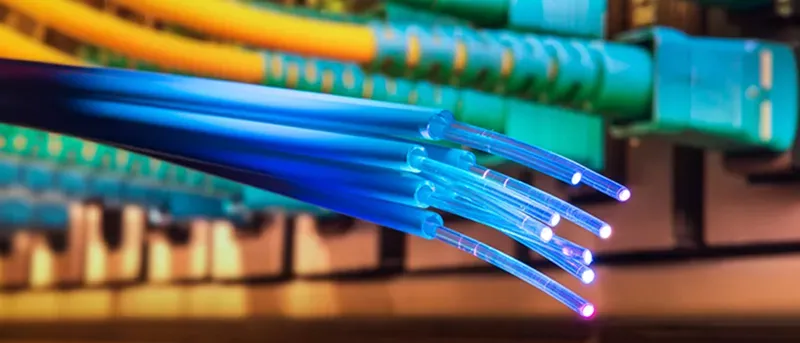
Check this brief guide to learn how fiber-optic internet is installed and what to expect during your installation appointment.
Fiber-optic internet is transforming internet connectivity nationwide. If you’ve had the same internet plan for a few years or recently moved to a new area, you might find that fiber is now available near you.
Before you can start using your new multi-gig fiber speeds, you’ll need professional installation since most homes don’t have an existing fiber hookup. Read on for an overview of how fiber-optic internet is installed and a detailed list of what to expect during your appointment.
Fiber is installed the same way other internet technologies were about 30 years ago: your provider builds a central network of internet cabling, then installs branches off that main network to reach their subscribers’ homes or businesses.
Cable, DSL, and fiber providers build that last leg to your home in a variety of ways, sometimes to a node shared by multiple customers and sometimes directly to each subscriber. Fiber to the home is the best type of connection—it means lower lag and more reliable performance.
During your fiber-optic installation, your technician will need outdoor and indoor access to where you want to plug in your router. Usually, they’ll complete the installation steps in this order:
Hankering for fiber internet speeds? First, check availability. If your area is eligible for Brightspeed fiber, you’ll see plans between 200 Mbps and multiple gigs, plus a phone number where you can order.
Already have a Brightspeed account? Reach customer service for help with account snags or technical issues.